
Inventh mobile app development services build native and cross platform apps for iOS and Android, including on device AI, secure backends and store releases. Support plans keep apps compliant with each year’s platform deadlines, such as the iOS 26 SDK requirement and Google Play’s Android 16 target.
Our approach
Apps people keep using, built to keep up with the platforms.
A successful app is judged on the phone, every day: how fast it opens, whether it works offline, and whether it still works after the next operating system update. We engineer for all three from the first sprint.
Designed for real use
Fast start up, offline support, accessible interfaces and flows tested with real users, so the app earns a place on the home screen.
Engineered for change
Modular architecture, automated builds and a yearly upgrade plan for new iOS and Android releases and app store requirements.
Secure by default
Security aligned with the OWASP Mobile Application Security Verification Standard, encrypted storage and protected APIs from day one.
What we build
Our mobile app development services
From a single app to a complete mobile platform with backend, admin tools and analytics.
iOS App Development
Native iPhone and iPad apps in Swift and SwiftUI, built to Apple’s design and review guidelines and ready for the latest iOS release.
Android App Development
Native Android apps in Kotlin and Jetpack Compose, tested across devices and screen sizes and kept current with Google Play requirements.
Cross Platform Apps
One codebase for iOS and Android using Flutter, React Native or Kotlin Multiplatform, chosen to fit your product, team and performance needs.
Enterprise and Field Apps
Apps for sales, service and warehouse teams with offline sync, barcode scanning, device management and integration with your ERP and CRM.
Mobile Backends and APIs
Secure cloud backends, authentication, push notifications, admin panels and analytics that the app depends on.
App Modernization and Support
Upgrades for new OS versions and store rules, performance fixes, rewrites of ageing apps and ongoing monitoring after launch.
AI powered mobile apps
Put AI in your users’ hands
Our mobile and AI teams work together to build intelligent features that run on the device for speed and privacy, or in the cloud when a task needs more power.
On device AI
Summaries, smart replies and text understanding that work offline and keep data on the phone, using Apple’s Foundation Models framework and Gemini Nano on Android.
Conversational assistants
Chat and voice assistants inside your app, grounded in your own product, policy and customer data.
Vision and document capture
Text recognition, barcode reading and image classification for field service, retail and healthcare workflows.
Personalization and prediction
Recommendations, smart notifications and churn prediction built on your app’s usage data.
Future proof by design
Platform changes we plan for
Apple and Google change the rules every year. These are the current requirements and capabilities every app we build or support is ready for.
Reviewed September 2026
Since April 28, 2026
iOS 26 SDK required on the App Store
Apps and updates uploaded to App Store Connect must be built with the iOS 26 and iPadOS 26 SDK or later. Apps built on older toolchains cannot ship updates.
From August 31, 2026
Android 16 target on Google Play
New apps and app updates must target Android 16 (API level 36) or higher. Google allows extension requests to November 1, 2026.
WWDC 2026
Apple opens its Foundation Models framework
Apple's framework gives apps direct access to the on device model behind Apple Intelligence, now with image input and support for other providers' models through a common interface.
Android
Gemini Nano on device
ML Kit GenAI APIs let Android apps run Gemini Nano on supported devices for summarization, rewriting, proofreading and image description, with a Prompt API for custom tasks.
Cross platform
Compose Multiplatform stable on iOS
Since version 1.8.0 in May 2025, Compose Multiplatform for iOS is stable, so teams can share Kotlin UI and business logic across Android and iOS.
Every year
A new OS cycle
New iOS and Android releases arrive each year, followed by store deadlines. Our support plans include testing on beta releases before public launch.
When it makes sense
Signs you need a new app or a rebuild
Your app is falling behind
It cannot ship updates because it is built on an old SDK or no longer meets App Store or Google Play requirements.
Reviews mention crashes and slowness
Ratings are dropping, users complain about performance and the team is afraid to touch the code.
Two codebases, double the cost
Separate iOS and Android apps drift apart, and every feature has to be built and tested twice.
Your field teams still use paper
Staff record orders, inspections or deliveries on paper or spreadsheets and re-key them later.
Choosing an approach
Native, cross platform or progressive web app
| Criteria | Native | Cross platform | Progressive web app |
|---|---|---|---|
| Best for | Performance critical apps and deep use of device features | Most business and consumer apps on both stores | Simple tools and content that must work in any browser |
| Codebases | One per platform | One shared codebase | One web codebase |
| Device features and on device AI | Full and immediate access | Broad access, with native modules where needed | Limited, varies by browser |
| Cost and time to market | Highest | Lower, one team ships both platforms | Lowest, but no app store presence on iOS |
How we work
From idea to the app stores

Discover
Users, goals, platforms and integrations defined, with a recommended approach, architecture and costed plan.
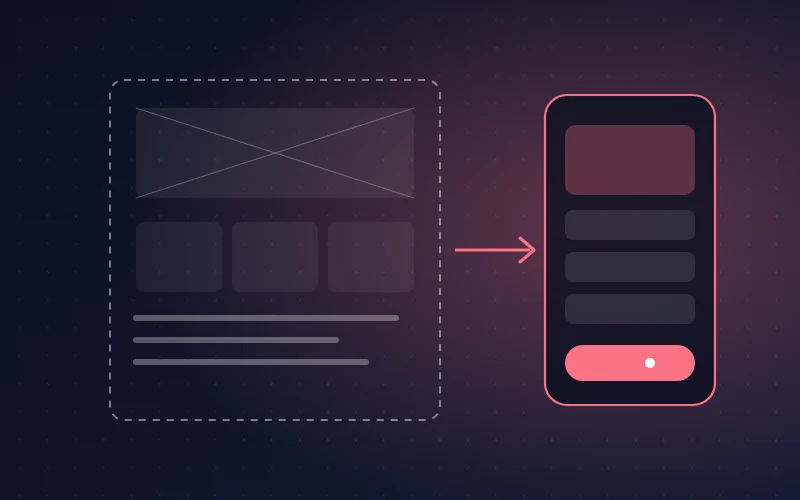
Design
User journeys and clickable prototypes tested with real users before development starts.
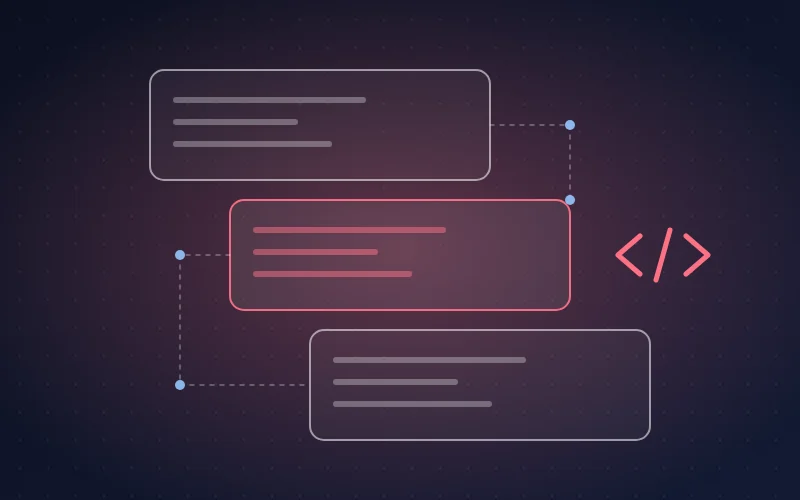
Build
Agile sprints with test builds on real devices every sprint, automated testing and code review.
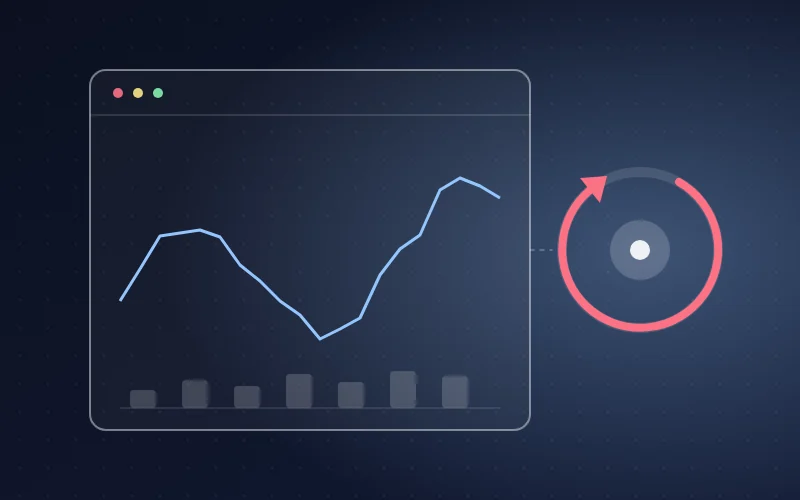
Launch and evolve
Store submission, release monitoring, analytics and a yearly upgrade plan for new OS versions.
Technology
Platforms and tools we work with
Current, well supported frameworks chosen for your product, so the app stays maintainable for years.
Native
Cross platform
Backend and AI
Quality and release
Built to pass review
Secure, compliant and yours
Security first
Secure storage, certificate pinning where needed, protected APIs and testing aligned with OWASP MASVS.
Store and privacy compliance
App Store privacy labels, Google Play Data safety forms and permission requests prepared correctly, so reviews do not delay launch.
Accessible to everyone
Support for VoiceOver, TalkBack, dynamic text sizes and sufficient contrast, tested before every release.
You own the app
Source code, designs and store listings belong to your business, and apps are published under your own developer accounts.
Engagement models
Ways to work with us
Fixed scope app
Agreed features, timeline and price to take a first version to the App Store and Google Play.
Dedicated mobile team
Mobile engineers, designer, QA and a delivery lead working on your roadmap, scaled as you grow.
App support and upgrades
Monitoring, fixes and yearly readiness for new iOS and Android releases and store requirements.
FAQ
Frequently asked questions
How much does it cost to build a mobile app?
Cost depends on the features, platforms, integrations and backend required. A focused first version costs far less than a full platform. After discovery you receive a written, itemized estimate before development starts.
How long does mobile app development take?
A focused first version typically takes a few months from discovery to store launch. You test working builds on your own devices throughout development.
Should we build native or cross platform?
Cross platform suits most business and consumer apps because one team ships both iOS and Android. Native is the better choice for performance critical apps or deep use of device features. We recommend an approach after discovery.
Can you add AI features to our existing app?
Yes. We add on device and cloud AI features such as summaries, assistants, document capture and recommendations to existing iOS and Android apps.
Will our app keep working with new iOS and Android versions?
Yes, with a support plan. We test on beta releases and update apps to meet store requirements, such as the iOS 26 SDK requirement on the App Store and the Android 16 target requirement on Google Play.
Who owns the app and the store accounts?
You do. The source code, designs and store listings belong to your business, and apps are published under your own Apple and Google developer accounts.
Do you build the backend and admin panel too?
Yes. We build the APIs, databases, authentication, push notifications and admin tools the app depends on, or integrate with systems you already run.
Can you take over an app built by another developer?
Yes. We start with a technical audit of code quality, security and store compliance, then agree a plan to stabilize the app and continue development.
Have an app in mind?
Tell us what you want your app to do and who will use it. We will come back with an honest view of approach, timeline and cost.